
How will AI and private equity ownership reshape professional service firms?
There is a great deal of hype, as well as anxiety, around this question. I am already being approached by firms grappling with private equity deals that have disappointed both professionals and PE owners, and who must now face difficult questions about governance, incentives, and professional identity. And, while many firms can see that AI has the potential to fundamentally disrupt the way they work, they have so far been slow to reap the rewards of their AI investment.
Partnership has long been a highly effective structure for organizing professional work. But it has always been a fragile equilibrium. What happens when that balance is disrupted by AI and private equity?
Why partnership works
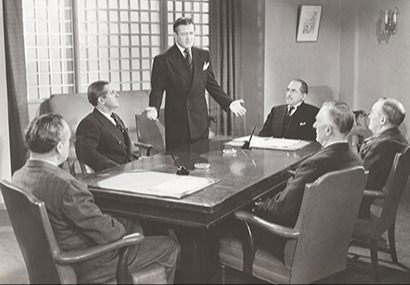
Partnership aligns ownership, control, and production, sharply reducing agency costs. Shared profits create commitment. Peer relationships enable control without heavy bureaucracy. The promotion “tournament” sustains performance. And the absence of external shareholders prioritises clients and professional values. At its best, partnership combines discipline with autonomy and is superior to the corporate form.
What undermines it
Growth brings strain. As firms scale, collegial control weakens and bureaucracy expands. Greater capital intensity and commodification of expertise shift power away from individual partners. Meanwhile, traditional attractions of partnership, i.e. autonomy, security, identity, become less certain. Many large partnerships resemble corporations in all but name, and risk losing what once made them distinctive.


AI accelerates these trends
It demands investment, reduces reliance on junior talent, and gives clients direct access to the expertise once monopolised by professionals. The result is a more fragile promotion model and a subtle erosion of partner authority. As both clients and firms become less dependent on individual judgement, the balance of power and foundations of partnership begin to shift.
Private equity is a potentially even bigger disruptor
PE ownership brings capital, discipline, and a focus on short-term value extraction. Collegial controls are weakened by increased formal oversight. Autonomy is traded for performance management. Junior professionals’ incentives are undermined. Professional values give way to commercial values. The alignment of interests amongst owners, managers, and core producers is weakened. Potential outcome? an awkward hybrid that is neither a true partnership nor a fully effective corporation.

Partnership: Winners and losers
Partnership as a form of governance is inherently unstable and remarkably resilient, with a long history of adaptation to changing economic and social conditions. But the coming years are likely to produce notable failures and significant winners, as governance models are reconfigured. Ultimately, it is not the legal form that matters most, but the preservation of internal ownership and the ethos of collective commitment among professionals. As long as these endure, partnership governance will continue.
Other specialist subjects
Laura offers advisory consultations and keynote speeches which draw upon her 30 years of academic research to help professional organizations navigate their most pressing challenges. Here is a selection of the subjects she covers.
Collective leadership
Influencing professionals and mastering distinctive power dynamics
Find Out MorePower of partnership
Realizing the individual and collective potential within professional service firms
Find Out MoreCan’t see what you’re looking for?
Leaders of professional organizations approach Laura for a variety of reasons. Explore more here
Find Out More